

RIGHT BUILD GROUP
Builders in Thornton Heath
Use a renovation to understand recurring surface defects, agree the necessary repairs and prepare the background before a fresh finish hides the evidence.
A new surface should follow an understood repair decision.
Property renovation & construction
Find out why the same patch keeps returning
A stain that reappears after repainting or a crack that follows an old repair deserves more than another finish selection. The first building decision is what needs establishing before the surface is renewed. That does not mean every mark requires extensive opening-up. It means distinguishing a cosmetic concern from a condition that needs the appropriate inspection or advice.
For a Thornton Heath renovation, explain the history of the affected area and what has already been tried. Right Build Group can discuss the repair and associated refurbishment work as a connected scope. A useful brief records the observed problem, the investigation it needs and the preparation that follows, so decorating is not being asked to solve an unresolved building question.
Choose the extent of the work
Three different reasons for renewing a surface
Appearance only
A sound background may need preparation and a new finish without wider construction work.
A damaged background
The repair scope needs to address the assessed material condition before decoration proceeds.
An unresolved cause
Appropriate investigation or specialist advice should inform the response rather than another covering layer.
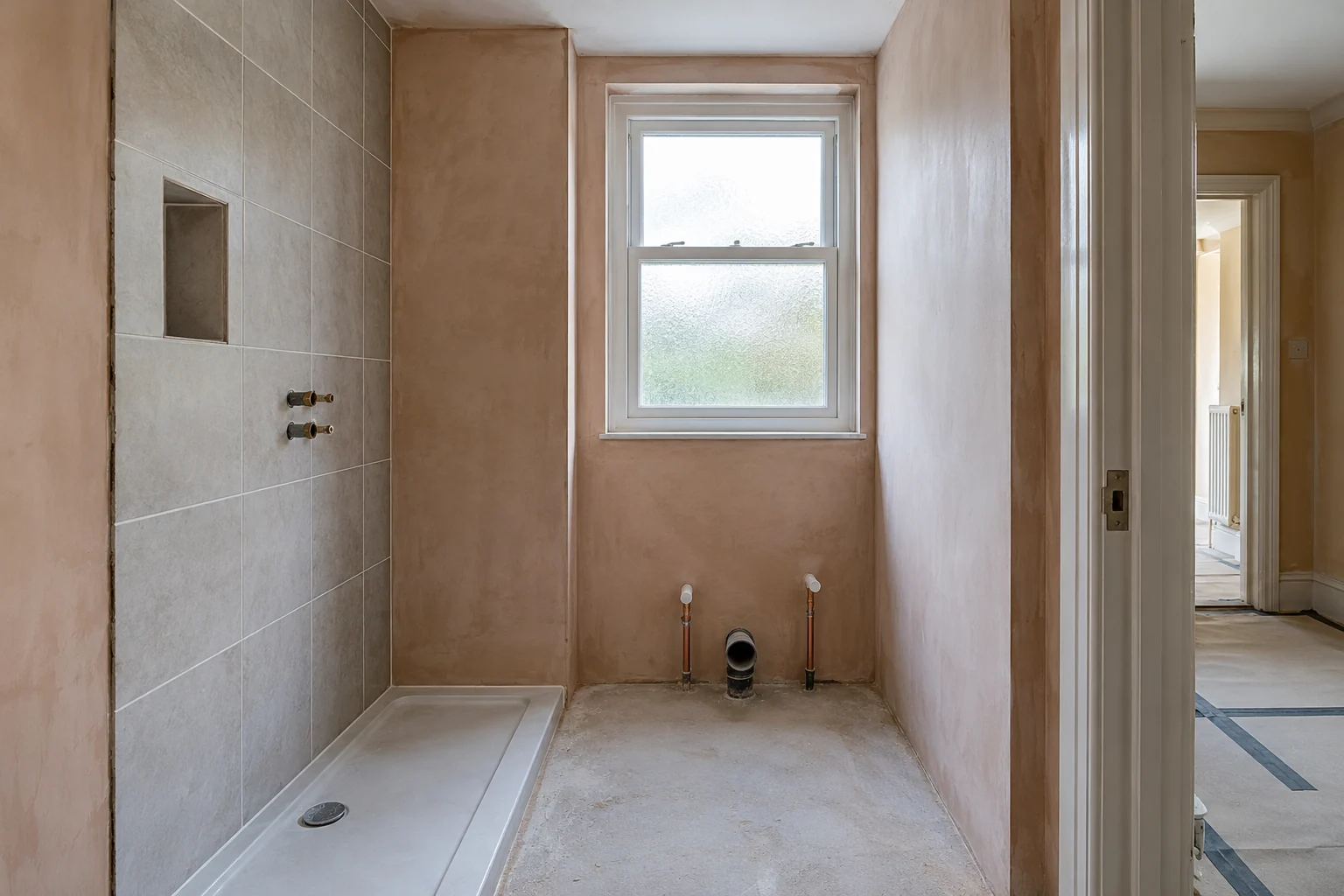
Before opening up
Bring the history of the defect into the survey
Note when the mark was first noticed, whether it changes and what work previously covered it. Photographs taken at different times can help explain the pattern, provided their locations and dates are clear. Describe observations rather than assigning a cause yourself. A stain appearing after rain and one noticed beside a fitting may prompt different enquiries, but neither establishes the source without appropriate assessment.
Ask the relevant adviser or trade what information is needed and whether access beyond the visible patch is justified. Agree the purpose and extent of any investigation, including making good. Where there is a concern about unsafe construction, electrical exposure or another immediate hazard, keep people away from the affected area and obtain suitable help before treating it as an ordinary finishing job. The repair plan should follow the findings.
Refer movement concerns to the right assessment
A recurring crack cannot be classified reliably from a single photograph or its appearance alone. If movement or structural condition is a concern, seek appropriate assessment before the repair method is fixed. Tell the adviser about changes in doors, floors or surrounding construction that you have actually observed. Avoid treating a filler specification as a substitute for understanding a potentially wider issue.
If structural repair or an alteration is required, coordinate it with the surrounding finish work. The assessed solution may involve access, support or a repair extent beyond the original visible line. Record what the work is intended to address and which observations remain outside scope. This is more useful than promising that every future surface change will be prevented, because different materials and conditions can affect how an older building presents over time.
The meeting points matter
From observed defect to prepared background
Separate the defect from the finish that covers it
Record the existing materials and the condition of the background once it can be assessed. Loose plaster, an incompatible earlier repair or damaged lining may need a different response from sound material carrying a superficial mark. Ask what is being retained and what is being removed, with the boundary shown clearly. A blanket instruction to make good can hide substantial differences in preparation.
Discuss the finish result you want after repair. A small sound repair may still need preparation across a wider wall or ceiling to achieve the agreed appearance. Painting and decorating should be specified after the background requirements are understood, including the chosen system and any product-related readiness conditions. The colour coat is the last part of that decision, not evidence that the concealed construction is ready.
Discuss the edge of an earlier repair where a defect repeatedly follows the same line. The surrounding construction and previous materials may be relevant to the assessment. Ask the builder what can be established visually and whether another trade or adviser needs to inspect it before a new method is specified. Keep a sample or product record of a known previous treatment where available, rather than relying on a description such as the special paint used last time.
Check nearby connections before closing the repair
Where the affected surface is near a bathroom, kitchen or service route, have the relevant connections considered as part of the enquiry. A visible mark below a fitting does not automatically identify that fitting as the source. The assessment may need to follow the route or inspect an adjoining area. Agree how access and subsequent repair are included before a new lining makes them harder to reach.
If bathroom work is planned anyway, coordinate the investigation with that scope instead of closing the surface and reopening it for the next project. Relevant service checks and installation records should describe the work actually undertaken. Keep maintenance access where it is required, and ask the installer to explain what a homeowner should do if a condition changes after the room has been completed.

Information that helps a repair enquiry
Describe what you have seen and what has already happened.
| Observation | Useful detail | Decision | Record |
|---|---|---|---|
| Returning stain | Dates and changes | Relevant assessment | Photo history |
| Crack at repair | Previous work | Background review | Repair details |
| Nearby fitting | Actual connection | Trade inspection | Findings |
| Loose finish | Extent observed | Preparation scope | Room schedule |
| External relationship | Relevant elevation | Access and responsibility | Building contact |
| Changed condition | Location and appearance | Further assessment | Dated report |
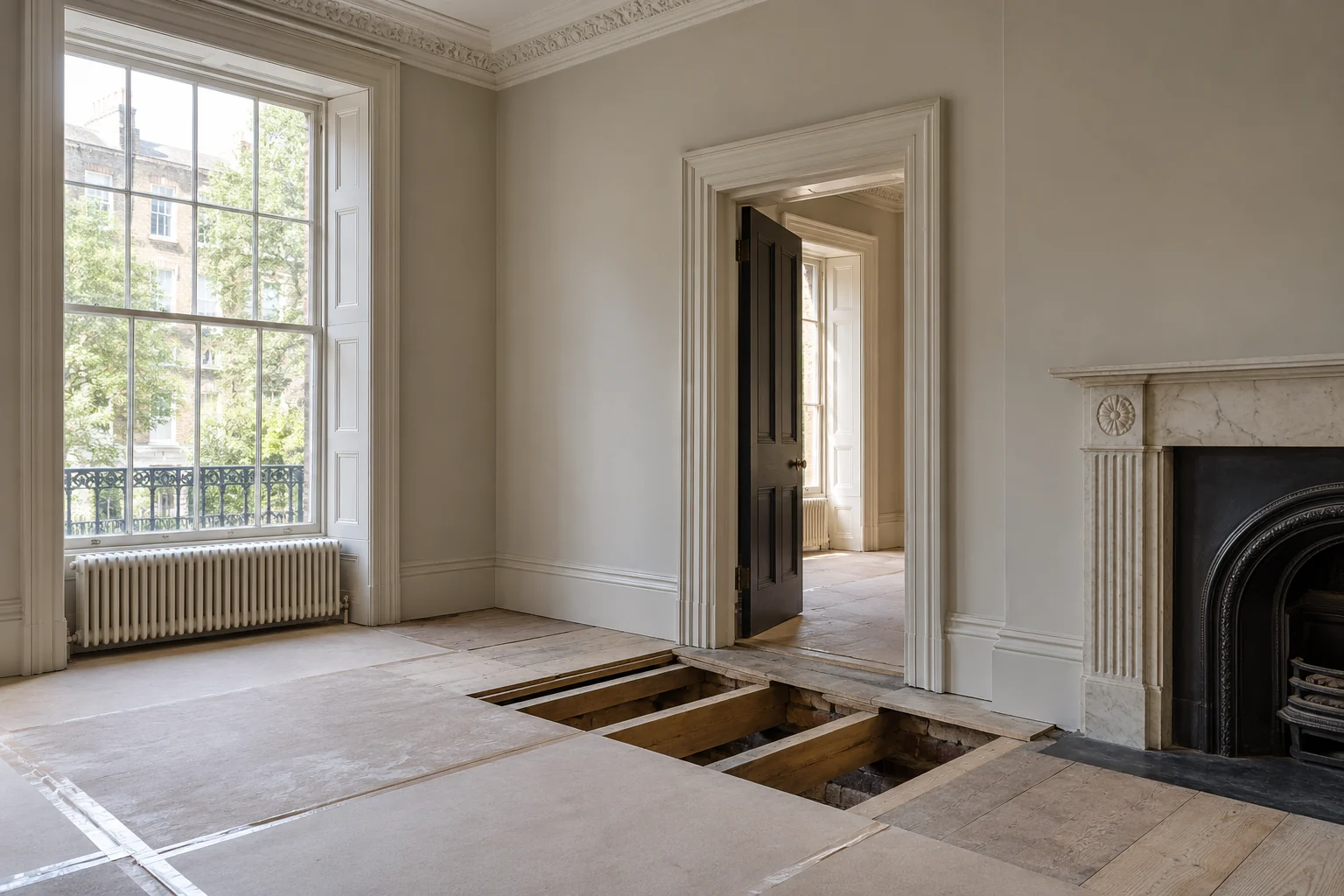
Understand the concern before specifying the covering finish.
Allow the repair to determine the finishing release
Set the order around the relevant findings and the chosen products. Cause assessment, necessary repair, background preparation and finish installation are distinct stages. Ask what evidence or checks release the next stage, rather than requesting a universal waiting period. Different materials and conditions can require different preparation, and a calendar date alone does not establish that a surface is suitable.
Coordinate other work that could affect the repaired area. A ceiling finish should not be completed immediately before a planned service alteration above it. Equally, a sound retained surface need not be stripped simply because another room is undergoing heavier work. A room-by-room repair schedule can show the reason for each intervention and prevent a targeted renovation becoming either repeated patching or unnecessary wholesale replacement.
Thornton Heath / existing buildings
Keep the Thornton Heath enquiry building-specific
Croydon’s Local Heritage Area Review describes the specific terrace at 140–158 Melfort Road with red-brick construction, coping details, bays and entrance canopies. Its historical assessment also records later render or pebble-dash over some exposed brick. That example makes the present surface history important to a repair enquiry: a coating may conceal an earlier material or altered opening, but its appearance alone does not establish the cause of a recurring defect.
If your repair affects a comparable change in material, give the assessor photographs of the whole feature and the damaged area, together with any known previous treatments. Ask what can be established before removal and what further investigation is justified. Do not specify stripping or a new coating solely to reproduce a neighbouring facade. The intended repair should respond to the material and condition actually found, with appropriate advice on retained detail and a clear boundary between cause-related work and optional decorative renewal.

Protect the surrounding room without hiding the work area
Agree which furniture and fittings must be moved to inspect and repair the defect properly. A wardrobe close to a wall may prevent a useful assessment even if the visible stain lies above it. Arrange protection and a clear working area before the visit, with the builder confirming what can remain. Do not disturb suspect materials or concealed services yourself to prepare the room.
Plan the route for removed material and replacement products as well as the immediate patch. A repair in an occupied bedroom or hall can affect the household route during particular operations. Ask for restrictions and return arrangements to be explained for that stage. If further assessment is needed, keep the affected area in the agreed condition rather than covering it prematurely simply to make the room appear finished.
A usable house at handover
Record the repair and the observations worth reporting
At completion, review the agreed repair boundary and finish in the actual room. Keep relevant records from the trades involved and note what was retained outside the work. Ask how the chosen finish should be cared for and which changes should be reported for further assessment. This should be practical information about the work, not a promise that any future mark anywhere in the room has the same cause.
Keep a short history with the before-and-after photographs, dates and relevant findings. If a condition changes later, report its location and appearance alongside that record instead of immediately covering it. Distinguish a finishing item on the outstanding-work list from a newly observed defect. A clear account helps the next visitor understand what was repaired and avoids starting again with only the newest coat of paint as evidence.
Before agreeing a price
Compare repair scopes before comparing finish prices
Two quotations can use the same words for decoration while allowing for very different background work. Ask what investigation, removal, repair and preparation each includes. Check the extent of surrounding finishing and whether access or protection is allowed for. A cheaper surface treatment is not an equivalent offer if it excludes the cause-related work identified by the assessment.
Where the condition remains uncertain, agree the basis of any allowance and how a changed repair scope will be authorised. Keep elective improvements separate from necessary work arising from findings. You may choose a wider decorative refresh once the defect is resolved, but it should remain an understandable choice. The budget should explain what is being corrected, what is being renewed for appearance and what further advice remains outside the current instruction.
Release the finish in the right order
Each stage needs a clear purpose.
| Stage | Establish | Retain |
|---|---|---|
| Enquiry | Defect history | Photos |
| Assessment | Relevant cause and condition | Advice |
| Repair | Agreed method and extent | Scope |
| Finishing | Suitable background | Product information |
| Handover | Care and reporting | Repair record |
Useful answers
Questions about repeated cracks and staining
Should I repaint a stain that has returned?
Have the relevant cause and background considered before another covering finish is specified.
Does a recurring crack always mean structural movement?
Its cause cannot be established from appearance alone. Seek appropriate assessment where movement or structural condition is a concern.
Which photographs help explain a repeated defect?
Dated views showing the location, surrounding construction and changes over time are more useful than an isolated close-up.
Can a small repair need wider decoration?
Yes. Agree the preparation and finish extent needed for the intended appearance around the repaired background.
Is a fixed waiting period enough before finishing?
Readiness should suit the assessed condition and specified products. A date alone does not establish suitability.
What if bathroom work is planned nearby?
Coordinate the investigation and service work so an affected surface is not closed immediately before it needs opening again.
What should I do if the condition changes after completion?
Record the location and change, refer to the repair information and report it for appropriate review before concealing it.
How can I compare repair quotations fairly?
Compare investigation, preparation, repair boundaries and surrounding finishes, not just the description of the final paint system.
Nearby building enquiries
Tell us what needs to change
Explain the defect before choosing the finish
Bring its history and the renovation you have in mind into a survey-led discussion of the necessary repair work.